Scammers using AI-generated images of missing pets to demand reward money

When Stephanie Young's cat Buddy went missing from her garden in September last year, she flooded pet rescue sites and social media groups with information about him.
Her hopes were raised when an image of him was sent through by a woman named Melissa, who claimed to have fed her cat and wanted reward money for her autistic grandchildren.
The foster carer from Birmingham was "100% certain" she had found her cat and remembered thinking Buddy had picked a lovely garden to sit in as she got money out of the bank to pay for his return.
Within hours, she had agreed to meet Melissa nearby to collect him, but the individual never turned up, refused a cash payment and pushed for 100 Apple gift cards as a reward.
Threats to "sell or murder" her pet soon followed when she discovered the images of Buddy were AI-generated and questioned the woman's authenticity.
Young is one of a growing number of people affected by an online scam where fraudsters threaten to kill missing pets after owners refuse to pay hundreds of pounds for their return.
They prey on owners by using AI to fake images of their pets and conjuring up detailed backstories and fake evidence to claim them as found, before bombarding victims with abuse.
Cases of fraud in the UK have surged as criminals take to AI, with almost £1.3bn stolen by scammers in 2025.
The death threats left Young feeling "upset and angry at how anybody could be so evil".
"I'm not going to deny that every inch of your body wants that cat back," she said.
"They can hook you, the more they ask the more you think 'I better do it'."
It is now thirteen months since Buddy went missing and he has still not been found.
Young's experience is similar to that of Cam Chauhan, who received demands for a £200 Apple gift card nine months after her cat Creed went missing in July last year.
The supermarket worker from Wednesbury had been sent an "exact picture" of him sitting in a back garden and instantly believed he had been found, describing the day as an "emotional rollercoaster".
"I started crying, grabbed my cat bag from the garage and said, 'let's go get my cat back,'" she said.
Chauhan was "jumping for joy" until her daughters raised concerns the images could be fake and about handing over money before Creed was returned.
A meeting point was agreed with the scammer to get the pet back, but the individual refused to appear until gift cards were purchased and sent over text, a suggestion which Chauhan turned down.
"We just went back home. It was very upsetting," she said. "I've been waiting ever since."
The 55-year-old added anyone that had lost their pet "would do anything" to get them back, but to "hand money over and be scammed is just not right".
Sarah Robinson, from Northampton, felt hopeful when she was contacted by a man named Kherson H claiming to have her cat Cookie two weeks after she went missing.
Speaking to the individual over the phone, he seemed "vague in location and stumbled on his words", but Robinson did not initially doubt an image he sent of Cookie outside a window.
After speaking to Kherson for a while, he demanded £40,000 to return her cat and sent a money transfer link, which Robinson refused. He then threatened to kill Cookie without payment.
The threat left her "really, really worried" for Cookie's safety.
"It's a very cruel thing to do," she said. "It's horrible, because you know it's not real but you're terrified it might be."
All three owners have reported what happened to Report Fraud, external, which is run by City of London Police.
The organisation advises people to arrange a meeting to see their pet in person before handing over any money, and to "stay alert" to criminals.
Aston University senior academic Dr Rasha Kassem said AI now played a "major role" in online fraud because things that used to be technically difficult were now "super easy, accessible and free".
"Just because it looks genuine, doesn't make it real," she said.
Kassem said she was concerned about the rise in AI-generated fraud because there was a lack of public awareness and guidance on how to stay safe.
She explained criminals liked to create a sense of urgency and advised victims against rushing into sending money and instead taking their time to think.
"I do not encourage anyone to engage with criminals who are requesting money and threatening to harm pets," she added. "Collect as much information about them and report it to the authorities."
What to do if your pet goes missing
Pawboost, a free online platform that helps track down missing pets, said "staying cautious" would help protect owners.
To stay safe while searching, it recommended:
Asking for specific proof like a short video of your pet or a video call, ideally showing something specific like a unique feature of your pet
Asking for specific proof like a short video of your pet or a video call, ideally showing something specific like a unique feature of your pet
Arranging to meet in a safe, public place if someone claims to have your pet, so you can confirm their identity in person
Arranging to meet in a safe, public place if someone claims to have your pet, so you can confirm their identity in person
Asking questions only the finder would know, like what collar the pet was wearing, their personality traits, or other details that would not be visible from information posted online
Asking questions only the finder would know, like what collar the pet was wearing, their personality traits, or other details that would not be visible from information posted online
Get in touch
Tell us which stories we should cover in Birmingham and the Black Country
Follow BBC Birmingham on BBC Sounds, Facebook, external, X, external and Instagram, external.
Related topics
BBC uncovers the scammers exploiting dogs to elicit donations from animal lovers
- Published4 May

BBC uncovers the scammers exploiting dogs to elicit donations from animal lovers
Pet scam victim launches app to protect others
- Published25 November 2025

Pet scam victim launches app to protect others
Pet fraud victim's warning over 'vile' scammers
- Published26 September 2024

Pet fraud victim's warning over 'vile' scammers
Related internet links
Pawboost
Pawboost
Aston University
Aston University
Related Topics
Keywords
Related Stories
Chill to grip Bonfire Night as temperatures dip into single digits
What is the forecast for Bonfire Night 2026?

'Multi-cancer' blood tests coming to some GP surgeries soon
The aim is to detect hard-to-diagnose abdominal cancers, including liver, ovarian and pancreatic cancer, much sooner.

Code cracked for shipwreck padlock solving 400-year-old mystery
The brass lock, found in the sand near Port Talbot, forms part of a 1583 shipwreck treasure hoard.

Prince William says UK faces terrifying risk of more wildfires due to climate change
The prince says 2026 was the first summer he felt "worried about the scale of the wildfires".

Top Stories
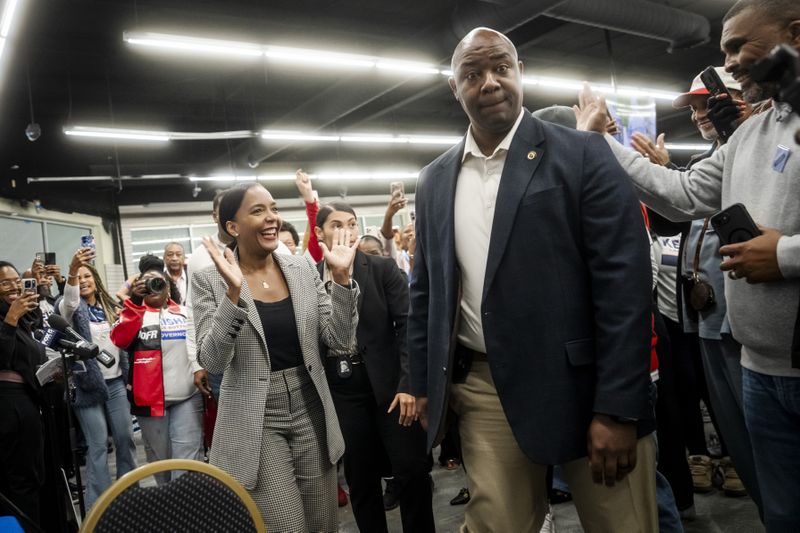
Keisha Lance Bottoms wins Georgia race, becomes first Black woman elected governor of US

BOOK EXCERPT: Scorpio Rising — The latest thriller from SA’s master of crime fiction
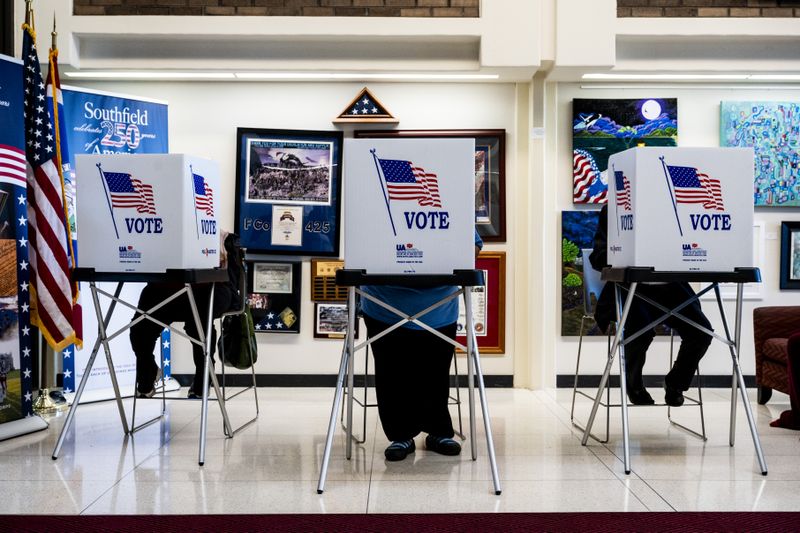
Democrats gain ground in battle for Congress with North Carolina flip

Unsafe Hostels, Other Facilities: How UNIJOS fails students with disabilities
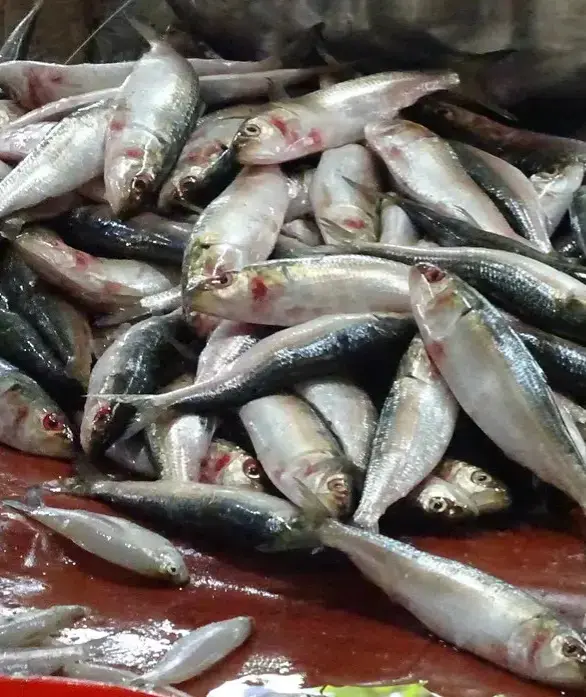
Sardine fishing in South Africa on hold after mass mortality linked to virus
Activist challenges Cape Town’s smash-and-grab strategy in Elsies River
Election Day heat warning: Gauteng Health urges voters to take precautions against heatstroke
GRWM, OOTD and brunch: Fun ways to mark South Africa’s 2026 voting day
Latest
Keisha Lance Bottoms wins Georgia race, becomes first Black woman elected governor of US
BOOK EXCERPT: Scorpio Rising — The latest thriller from SA’s master of crime fiction
Democrats gain ground in battle for Congress with North Carolina flip
Unsafe Hostels, Other Facilities: How UNIJOS fails students with disabilities
Sardine fishing in South Africa on hold after mass mortality linked to virus
Activist challenges Cape Town’s smash-and-grab strategy in Elsies River
Election Day heat warning: Gauteng Health urges voters to take precautions against heatstroke
GRWM, OOTD and brunch: Fun ways to mark South Africa’s 2026 voting day