NASA Cancels Expensive Exploration Upper Stage Following Cost and Schedule Overruns
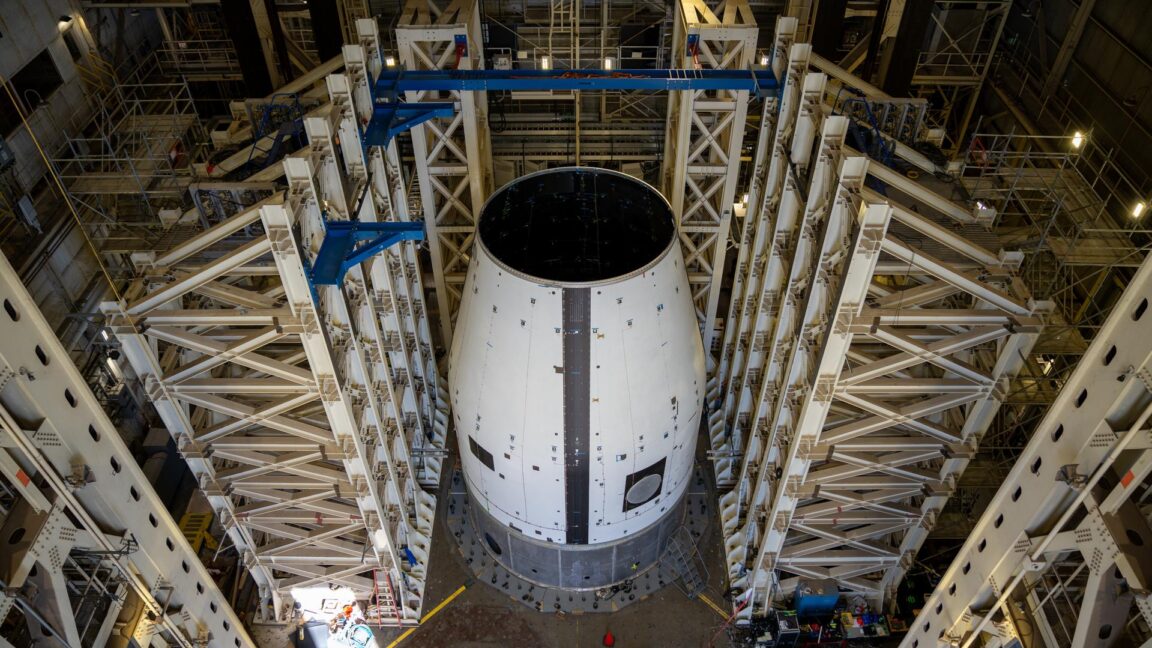
NASA has officially cancelled the development of the Exploration Upper Stage, a project originally intended to allow the Space Launch System (SLS) to carry larger payloads to the Moon. The decision follows a period of significant cost increases, with contract values for these efforts ballooning from nearly $2.8 billion to $5.9 billion.
Administrator Jared Isaacman directed the agency to replace the cancelled stage with United Launch Alliance’s Centaur V upper stage. This shift is part of a broader effort to streamline lunar exploration and prioritize returning astronauts to the Moon's surface over the construction of a lunar orbit space station.
In addition to the upper stage cancellation, NASA has issued a stop-work order for Mobile Launcher 2. This second launch platform, intended for the SLS Block 1B rocket, suffered from severe schedule delays and cost overruns. A 2024 report from NASA’s Office of Inspector General indicated the platform could have cost up to $2.5 billion and might not have been ready until 2029.
NASA now plans to standardize on a "near Block 1" version of the SLS to increase the flight rate for upcoming missions. Hardware from the halted Mobile Launcher 2 project will be repurposed as critical spares for Mobile Launcher 1, which supports the Block 1 version of the rocket used for the Artemis 1 and 2 missions.
The decision to move away from the Exploration Upper Stage comes as NASA seeks to avoid the "staggeringly and stupidly expensive" costs associated with the Boeing-contracted project. The agency's new direction focuses on utilizing the best available technology to ensure the United States can return to the lunar surface more efficiently.