US Concludes Hantavirus Response After Controversial Cruise Ship Quarantines
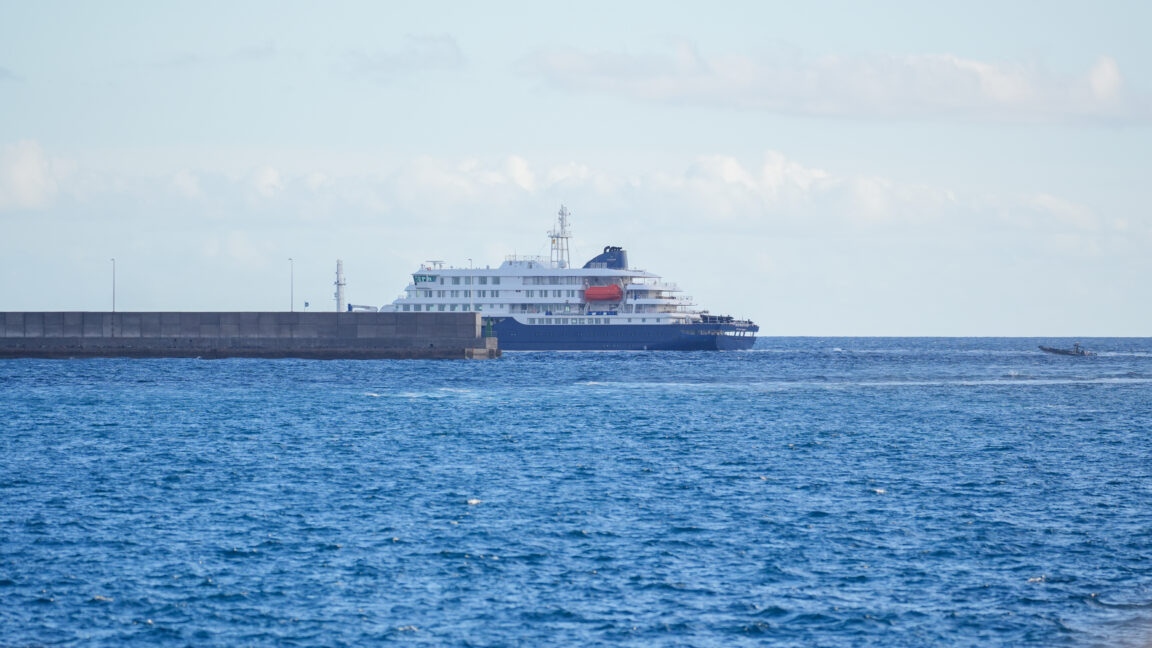
The U.S. Department of Health and Human Services (HHS) has officially concluded its public health response to a hantavirus outbreak aboard the cruise ship MV Hondius. The 42-day monitoring period for 18 American passengers ended on June 21, 2026, with officials confirming that no sustained transmission of the virus occurred within the U.S.
The outbreak involved the Andes virus, a rare strain found in Argentina and Chile. Unlike most hantaviruses, this specific version is known for its ability to transmit between humans and can cause fatal lung disease. The World Health Organization reported a total of 13 cases—11 confirmed and two probable—resulting in three deaths among the ship's passengers and crew.
Of the 25 Americans on board, seven had disembarked in April and monitored their health at home. The remaining 18 were evacuated from the Canary Islands and transported to the National Quarantine Unit at the University of Nebraska Medical Center in Omaha. While some were eventually allowed to return home under state-led monitoring, others remained in the federal facility for the full six-week period.
One passenger, identified as Perryman, became the center of a legal and medical dispute when HHS Secretary Robert F. Kennedy Jr. ordered her to remain in federal quarantine despite a recommendation from a CDC medical reviewer. Dr. Michael Bell had concluded that the order should be rescinded if the Florida Department of Health agreed to manage her monitoring and hospital care.
Secretary Kennedy overruled the recommendation, stating that the continuation of the order was necessary to protect public health. HHS officials later clarified that the decision was made because state authorities did not provide the required round-the-clock surveillance. Perryman claimed the order was unnecessary and noted that travel arrangements had already been initiated weeks prior.